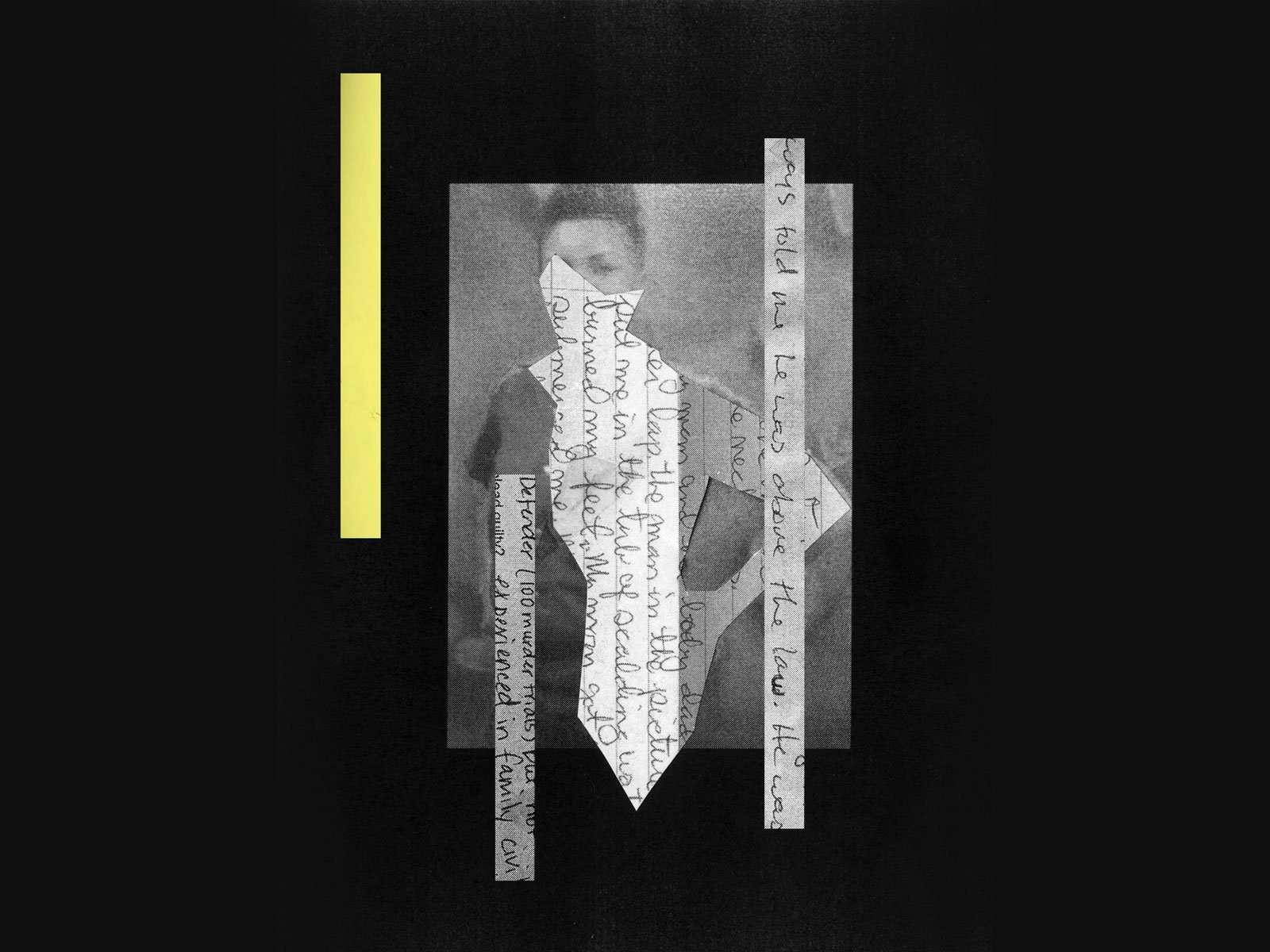
“No Choice but to Do It”
Many of the 230,000 women and girls behind bars in the U.S. were abuse survivors, and nearly a third were acting in self-defense.
“Confinement and Contagion”
How coronavirus has made women in prison more vulnerable, exposing deeper risk, fewer protections, and harsher consequences inside.
“The Evidence Against Her”
When Nikki Addimando shot her abusive partner, she thought she had enough proof it was self-defense. Why did the prosecution only see a cold-blooded killer?
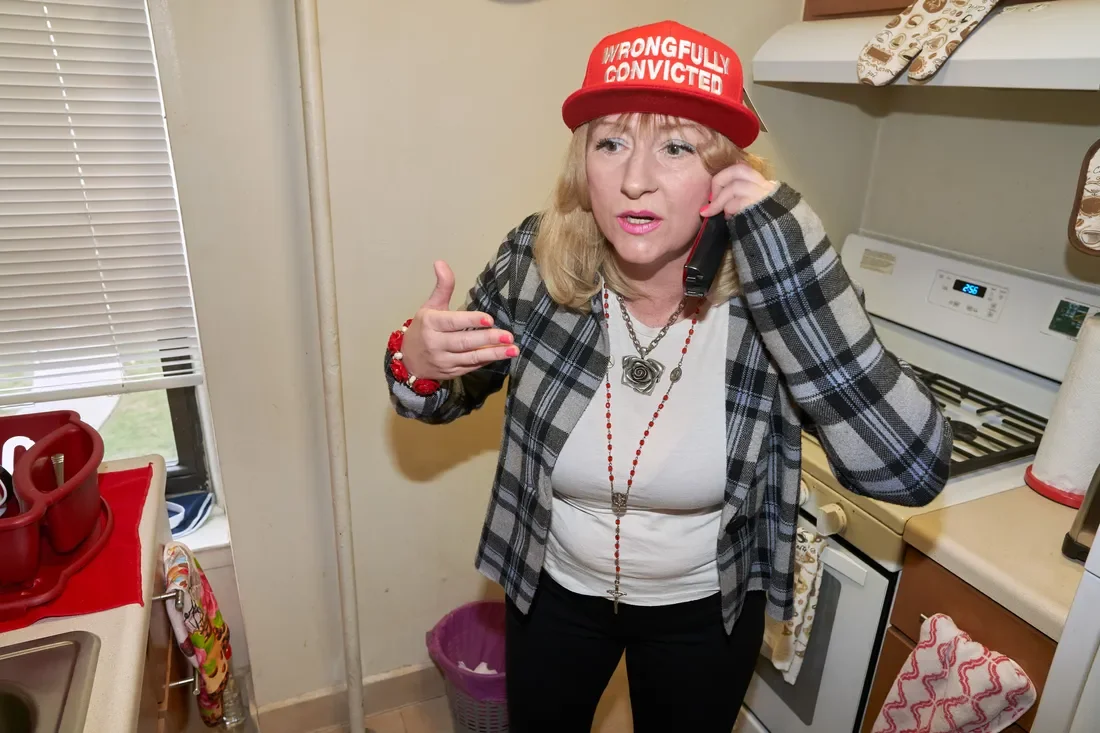
“Kelly Harnett Had to Get Free”
After helping her fellow prisoners, a jailhouse lawyer finally finds the means to help herself.
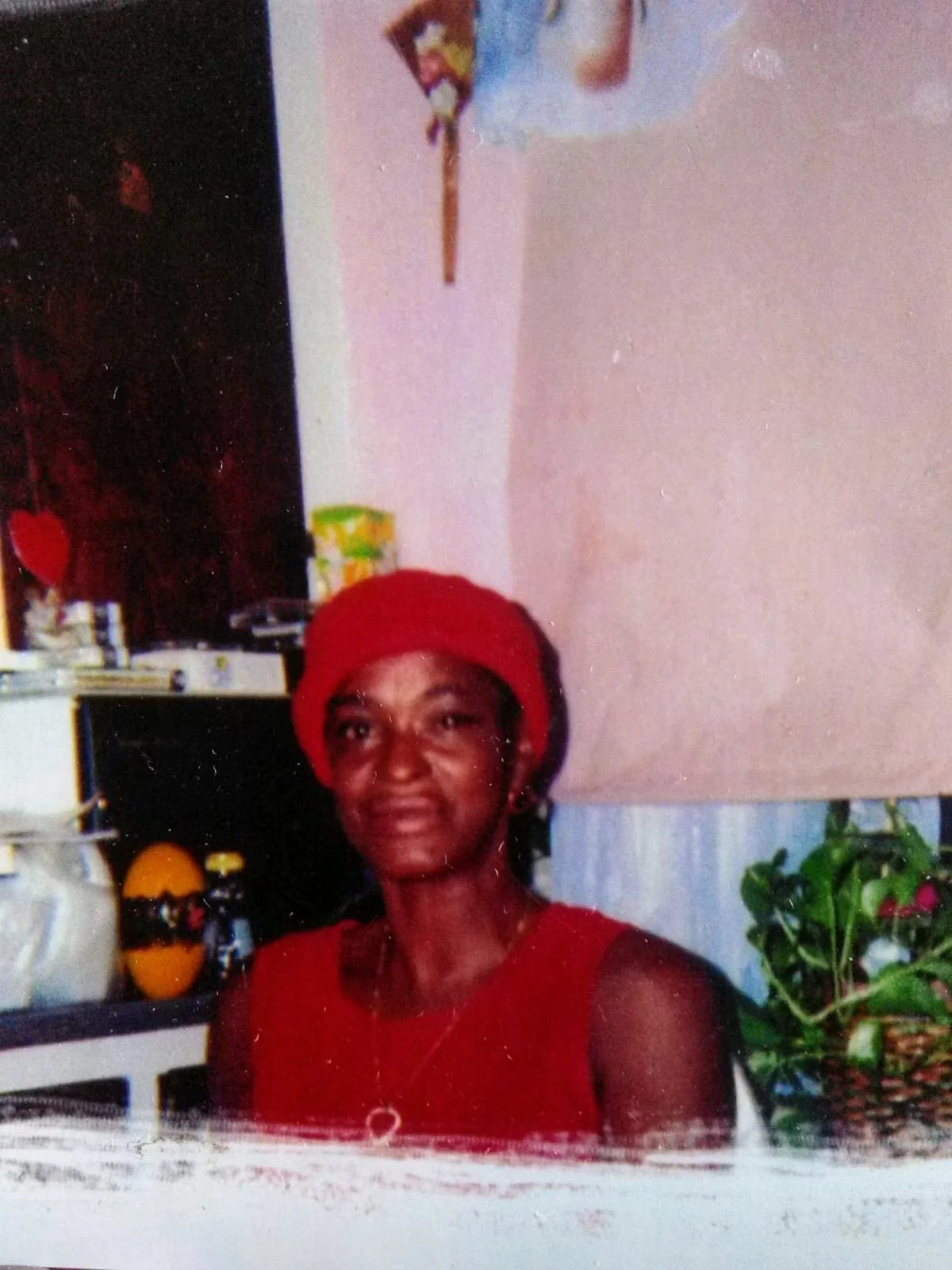
“Death of a Survivor”
Darlene “Lulu” Benson-Seay became the first woman incarcerated in New York to die from Covid. Should she have been in prison in the first place?
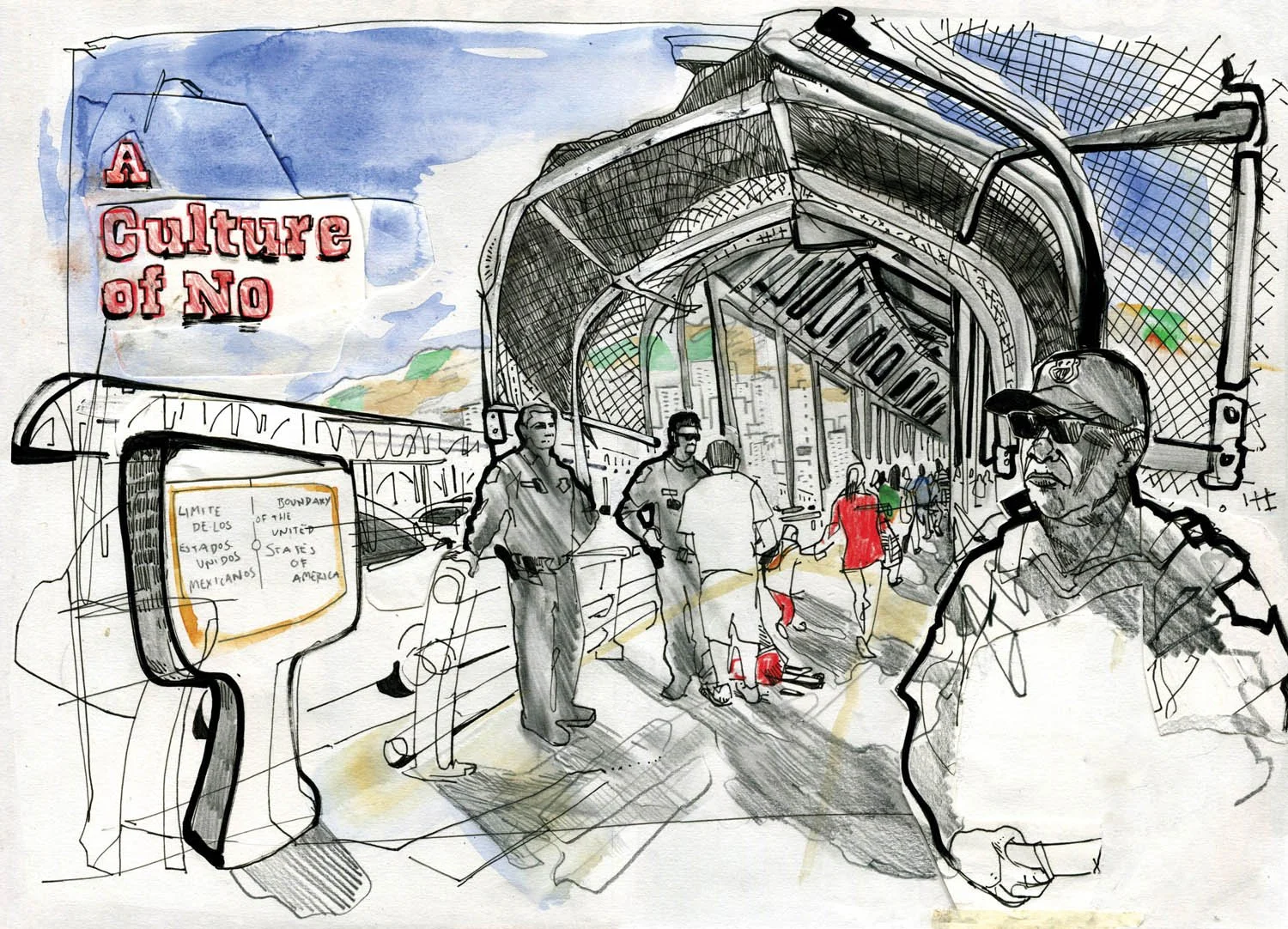
“A Culture of No”
The fate of people seeking asylum in the U.S. depends not just on their claims, but where they land. This is the story of how one immigration court in Texas has shut the door.
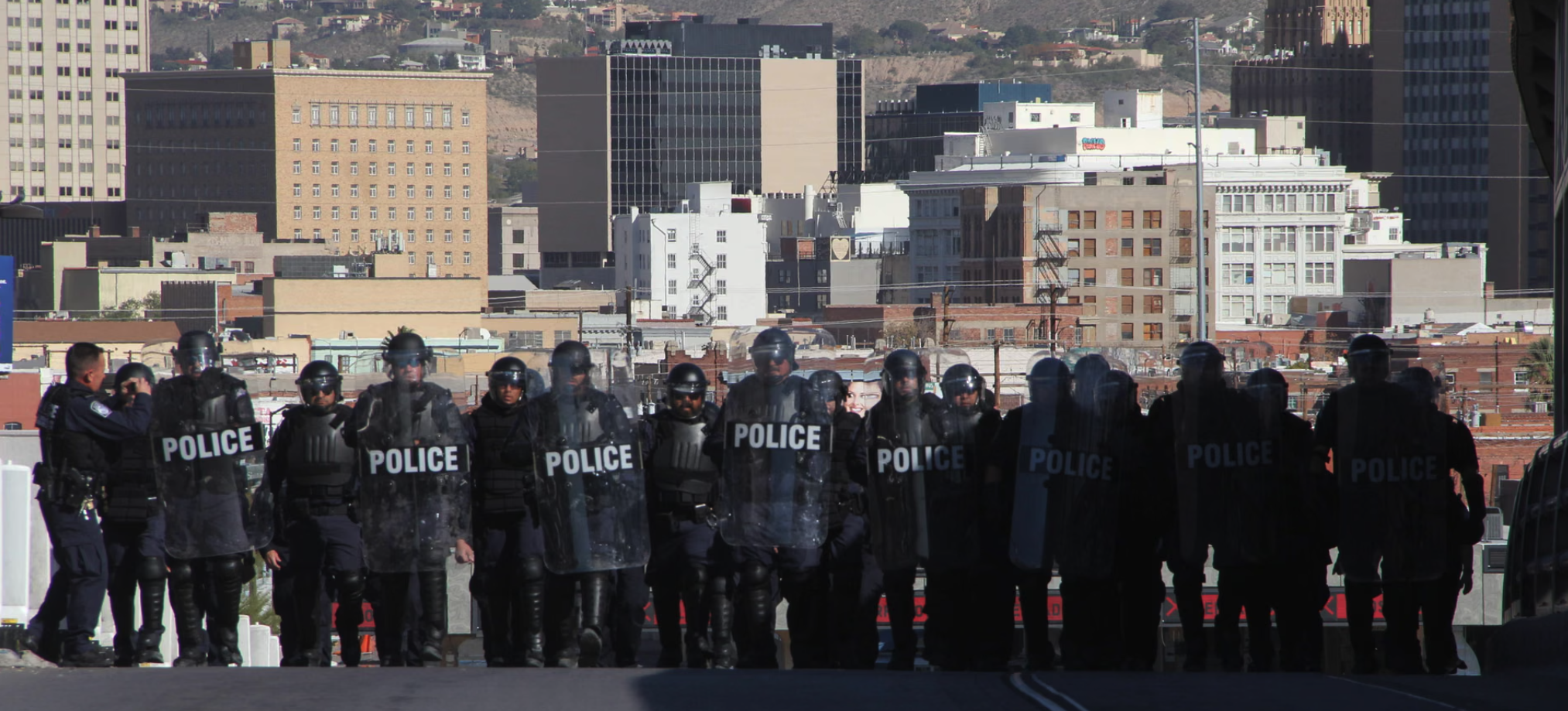
“You descend into hell by coming here”
At the US-Mexico border, asylum seekers face a hostile system, where one Texas court has turned refuge into a dead end.
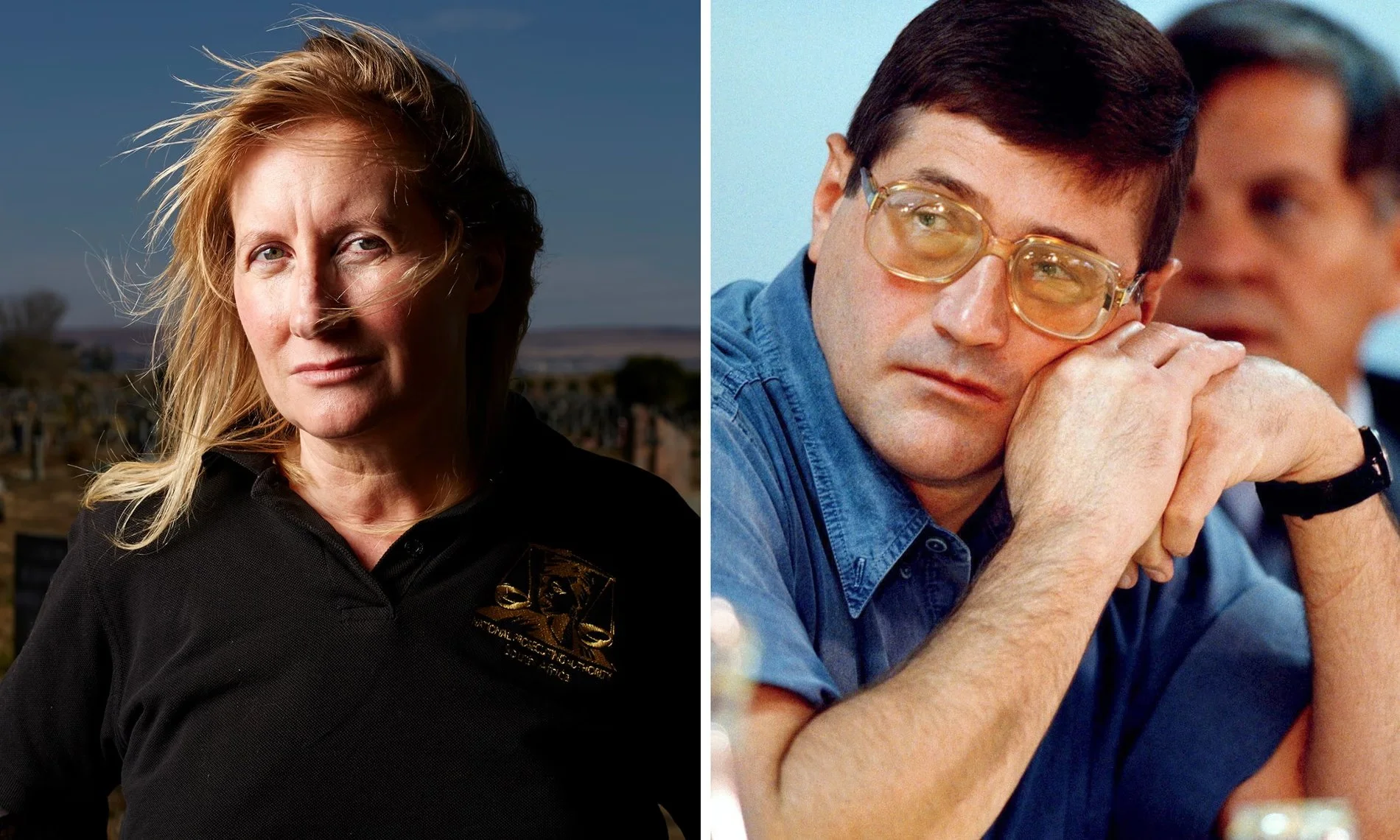
“The Odd Couple”
One is searching for apartheid’s disappeared. The other helped make them disappear. What happens when their paths cross?
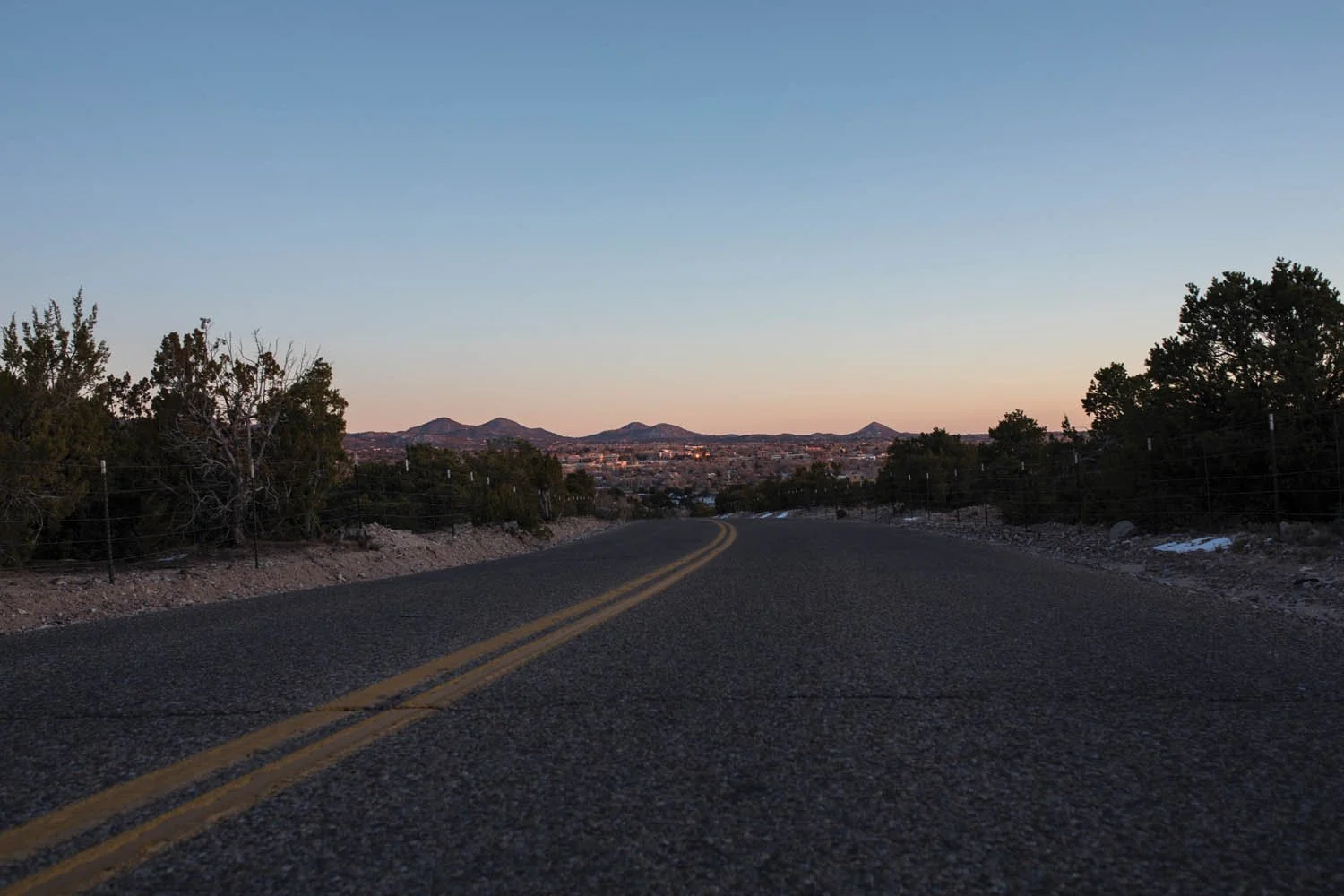
“Rosi’s Choice”
When a young mother fleeing violence in El Salvador faces long odds for asylum, it raises a crucial question: Who deserves sanctuary in America?
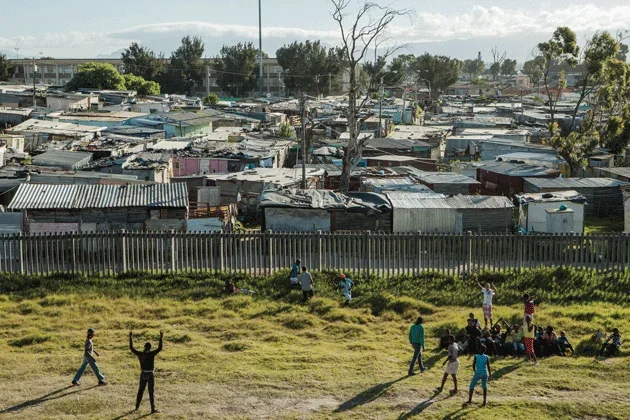
“Portrait of a Township”
A vivid portrait of life in a Cape Town township shows how apartheid’s deep inequalities still shape hope, hardship, and everyday survival.